Role of Power Engineering in Renewable Energy Integration

Updated: Aug 31
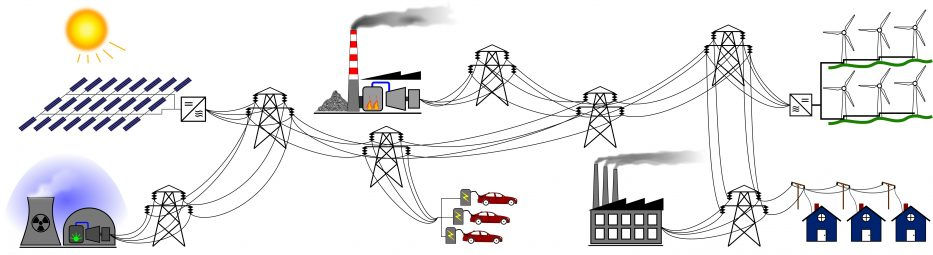
As the world shifts towards sustainable energy, integrating renewable sources into existing power grids has become a major engineering challenge. Power engineering plays a vital role in ensuring that renewable energy systems operate efficiently without compromising grid stability.
Challenges in Renewable Energy Integration
Renewable energy sources are variable in nature, which creates challenges such as:
Voltage and frequency fluctuations
Grid stability issues
Synchronization with existing networks
Protection coordination complexities
These challenges require precise engineering and technical expertise.
How Power Engineering Supports Renewable Projects
Power engineering services help renewable projects by:
Designing grid-compliant substations
Selecting suitable transformers and switchgear
Conducting grid impact and protection studies
Performing testing and commissioning
Ensuring smooth power evacuation
This ensures that renewable energy flows safely and reliably into the grid.
Importance of Grid Compliance & Protection Systems
Grid operators require renewable plants to meet strict compliance standards. Power engineers ensure:
Proper relay coordination
Fault ride-through capability
System stability during disturbances
Reliable communication and monitoring
Meeting these requirements is essential for project approval and long-term operation.
Benefits of Professional Engineering Support
Faster project approvals
Reduced operational risks
Improved energy output
Long-term system reliability
Experienced power engineers bridge the gap between renewable generation and grid infrastructure.
Conclusion
Renewable energy integration is not just about generation—it’s about smart engineering. With expert power engineering support, renewable projects can deliver clean, stable, and reliable energy while strengthening the overall power network.


Comments