Renewable Energy Substation Design in the UK: Enabling Efficient Grid Integration

The United Kingdom is rapidly expanding its renewable energy capacity to meet net-zero targets. Wind farms, solar parks, and battery storage facilities are being developed across regions such as Norfolk, Lincolnshire, Cumbria, Devon, and Aberdeenshire. To connect these renewable energy sources to the national grid safely and efficiently, specialised renewable energy substation design is essential.
Substations act as the bridge between renewable generation facilities and the electricity transmission network, ensuring that energy produced from renewable sources can be delivered reliably to homes, businesses, and industries.

What Is Renewable Energy Substation Design?
Renewable energy substation design involves planning and engineering electrical infrastructure that connects renewable generation facilities to the grid.
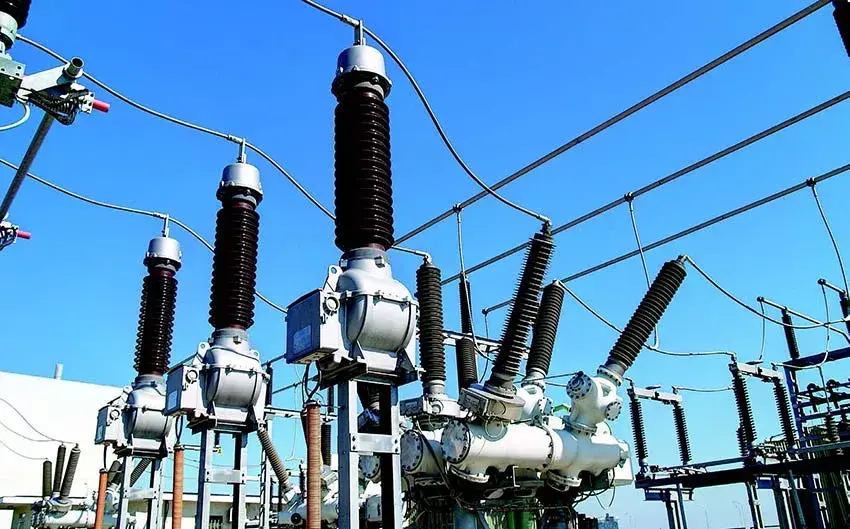
Key components of renewable substations include:
Power transformers for voltage conversion
High-voltage switchgear systems
Protection and control panels
Busbars and circuit breakers
Grid connection and monitoring equipment
These systems ensure that electricity generated from renewable sources is transmitted safely and efficiently.
Importance of Renewable Energy Substations in the UK
Supporting Renewable Expansion
As wind and solar projects increase across the UK, substations are essential for integrating new generation capacity into the grid.
Maintaining Grid Stability
Renewable power generation can fluctuate. Substations help manage voltage levels and maintain grid stability.
Efficient Power Transmission
Step-up transformers increase voltage levels so electricity can be transmitted over long distances with minimal losses.
Compliance with Grid Code
Substation design must meet National Grid standards and UK electrical regulations.
Key Elements of Renewable Substation Design
Electrical Layout Planning
Careful layout design ensures optimal equipment spacing, cable routing, and safe maintenance access.
Transformer Selection
Transformers convert generator output voltage to transmission levels.
Protection and Control Systems
Advanced relays and automation systems detect faults and maintain safe operation.
Grid Connection Studies
Power system studies ensure the renewable plant can connect without destabilising the grid.
Challenges in Renewable Substation Projects
Renewable energy substation projects in the UK often face challenges such as:
Remote project locations
Environmental and planning regulations
Variable renewable power output
Grid capacity limitations
Engineering teams use advanced modelling and system studies to address these issues effectively.
Role of Testing and Commissioning
Before a renewable substation becomes operational, extensive testing ensures all systems perform correctly. Commissioning includes equipment verification, protection testing, and grid synchronisation to ensure safe and reliable operation.
Future of Renewable Substation Design in the UK
As the UK increases renewable generation, substation design will continue to evolve through:
Digital substations
Smart grid integration
Battery energy storage connectivity
Advanced monitoring technologies
These innovations will help support the UK’s transition to a low-carbon energy system.
Conclusion
Renewable energy substation design is a critical component of the UK’s evolving energy infrastructure. By enabling safe grid integration, maintaining system stability, and supporting renewable expansion, well-engineered substations play a vital role in delivering sustainable electricity across the country.


Comments