High Voltage Testing Services in the UK: Ensuring Safety and Reliability in Power Systems

High-voltage electrical systems are a critical part of the United Kingdom’s power infrastructure. From substations supporting cities like Reading, Milton Keynes, Portsmouth, Bradford, and Inverness, to renewable energy projects and industrial facilities, reliable high-voltage equipment is essential for safe electricity transmission and distribution.
Professional high voltage testing services help ensure that electrical systems operate safely, meet regulatory standards, and perform reliably under demanding operating conditions.
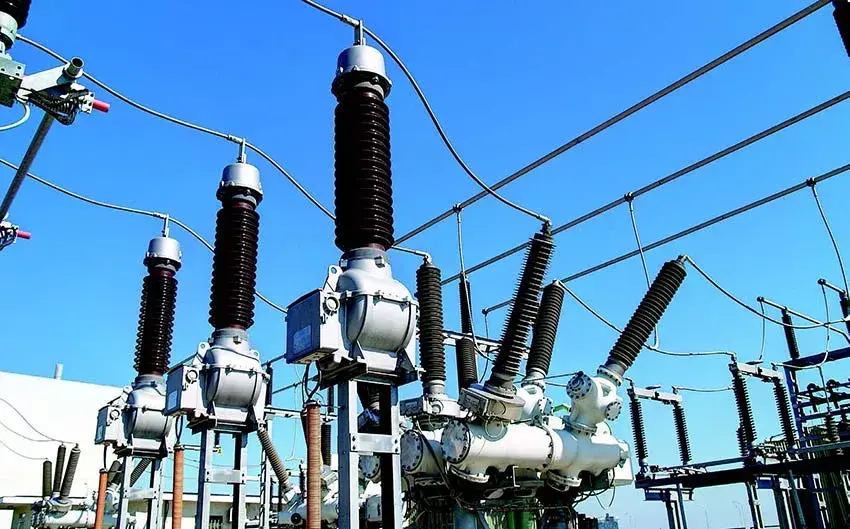
What Are High Voltage Testing Services?
High voltage testing services involve evaluating electrical equipment and systems to verify their ability to operate safely at high voltage levels.
These services are used for equipment such as:
Power transformers
Switchgear and circuit breakers
High voltage cables
Substation equipment
Insulators and busbars
Testing ensures that electrical components can withstand operational stresses and perform safely without failure.
Importance of High Voltage Testing in the UK
Ensuring Equipment Reliability
High voltage systems must operate continuously under demanding conditions. Testing helps detect faults before they cause equipment failure.
Compliance with Safety Standards
Electrical equipment must meet UK standards such as BS EN regulations and industry safety requirements.
Preventing Power System Failures
Testing identifies insulation weaknesses, connection issues, or potential faults that could cause outages.
Supporting Renewable Energy Integration
Wind farms, solar plants, and battery storage systems require high-voltage infrastructure to connect to the grid safely.
Common Types of High Voltage Testing
Insulation Resistance Testing
Evaluates the condition of electrical insulation in cables, transformers, and switchgear.
Dielectric Testing
Checks the ability of insulation materials to withstand high voltage stress.
Partial Discharge Testing
Detects small electrical discharges that can indicate insulation deterioration.
Transformer Testing
Ensures transformers operate safely under high voltage conditions.
Cable Testing
Verifies that high voltage cables meet performance and safety standards.
Industries That Require High Voltage Testing
High voltage testing services are widely used across sectors such as:
Power generation plants
Electrical substations
Renewable energy facilities
Industrial manufacturing plants
Data centres and infrastructure projects
Each sector relies on accurate testing to maintain operational reliability.
Challenges in High Voltage Testing Projects
High voltage testing in the UK may involve challenges such as:
Testing in live or high-risk environments
Accessing equipment in remote or offshore locations
Meeting strict regulatory and safety standards
Minimising downtime during maintenance operations
Experienced testing engineers use specialised equipment and procedures to ensure safe and accurate testing.
Importance of Testing and Commissioning
High voltage testing is also a critical part of commissioning new electrical infrastructure. Before energising equipment, testing verifies that systems are installed correctly and ready for safe operation.
Proper testing reduces the risk of failures, improves equipment lifespan, and ensures compliance with regulatory requirements.
Conclusion
High voltage testing services are essential for maintaining safe and reliable electrical infrastructure across the UK. By identifying potential issues before they become failures, these services help protect equipment, reduce downtime, and ensure the stability of the nation’s power network.


Comments