Electrical Layout Design in the UK: Building Efficient & Compliant Power Infrastructure
- VSS Power

- Feb 12
- 2 min read
Introduction
In the UK’s rapidly evolving energy and infrastructure landscape, electrical layout design plays a critical role in ensuring safe, efficient, and compliant power systems. From substations in London and Birmingham to industrial facilities in Manchester, Leeds, and Glasgow, precise layout design is the foundation of reliable electrical infrastructure.
Well-planned electrical layouts not only optimise space and performance but also ensure compliance with UK safety standards and grid regulations.
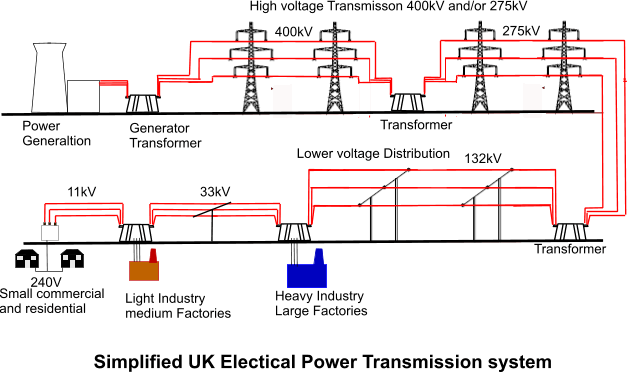
What Is Electrical Layout Design?
Electrical layout design refers to the strategic planning and arrangement of electrical equipment within substations, power plants, industrial facilities, and commercial buildings. It includes:
Equipment positioning (transformers, switchgear, panels)
Cable routing and trench layout
Earthing and grounding arrangements
Access pathways and safety clearances
Control room and panel configurations
In the UK, layout design must align with BS standards, safety regulations, and utility requirements.
Importance of Electrical Layout Design in the UK
1️⃣ Compliance with UK Regulations
Electrical installations must comply with:
BS 7671 (IET Wiring Regulations)
UK Grid Code requirements
Health & Safety Executive (HSE) guidelines
Proper layout design ensures adherence to these standards from the planning stage.
2️⃣ Space Optimisation in Urban Projects
Cities like London and Manchester often face space constraints. Efficient layout planning helps:
Maximise equipment accessibility
Minimise footprint
Improve maintainability
This is particularly important for data centres, metro substations, and commercial developments.
3️⃣ Enhanced Safety & Accessibility
Good layout design ensures:
Safe working clearances
Easy maintenance access
Clear segregation of high-voltage areas
Proper emergency escape routes
Safety-focused design reduces operational risk and long-term costs.
Role of Power Engineering in Layout Design
Professional power engineering teams contribute to layout design by:
Conducting load and system studies
Designing optimal equipment placement
Ensuring proper ventilation and heat dissipation
Planning cable management systems
Integrating protection and control panels
Engineering precision ensures the layout supports both operational efficiency and long-term scalability.
Layout Design for Different UK Applications
🔹 Substations
Optimised yard layout, transformer spacing, and protection panel positioning.
🔹 Data Centres
High-density electrical room design with redundancy planning.
🔹 Industrial Facilities
Efficient motor control centre (MCC) and switchgear arrangements.
🔹 Renewable Energy Projects
Compact layout solutions for solar and wind substations.
Challenges in UK Electrical Layout Projects
Electrical layout projects in the UK often face:
Strict environmental regulations
Planning permission constraints
Urban infrastructure limitations
Integration with existing grid networks
Experienced power engineering teams overcome these through strategic planning and advanced modelling tools.
Conclusion
Electrical layout design is the backbone of safe and efficient power infrastructure in the UK. From London to Glasgow, well-engineered layouts ensure compliance, optimise performance, and future-proof electrical systems. Investing in professional layout design is essential for delivering reliable, scalable, and regulation-compliant power projects.


Comments